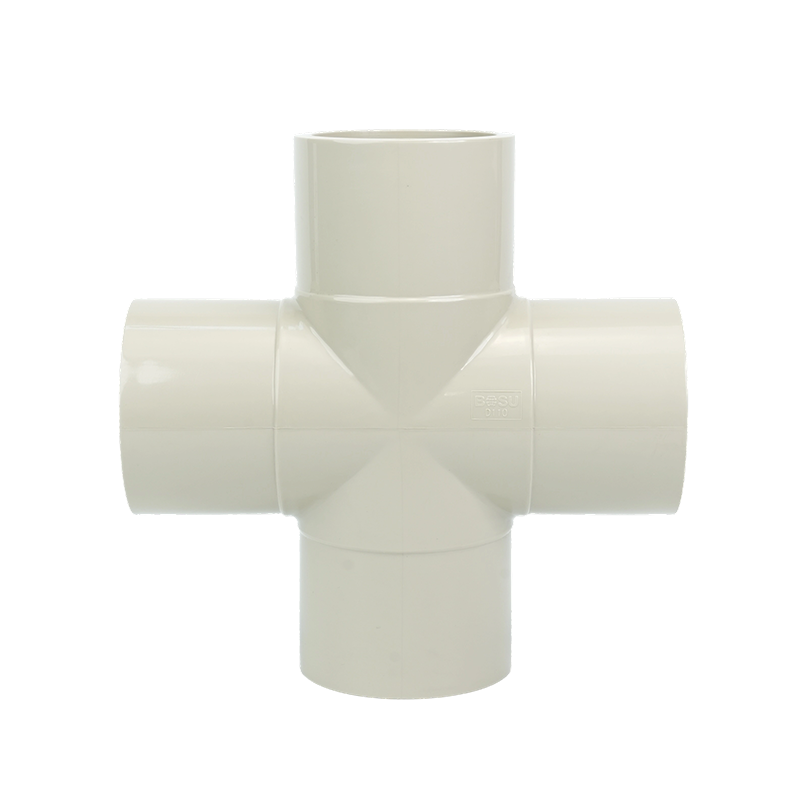
β-PPH cijevi
Specifikacije proizvoda: DN15 (D20), DN20 (D25), DN25 (D32), DN32 (D40), DN40...

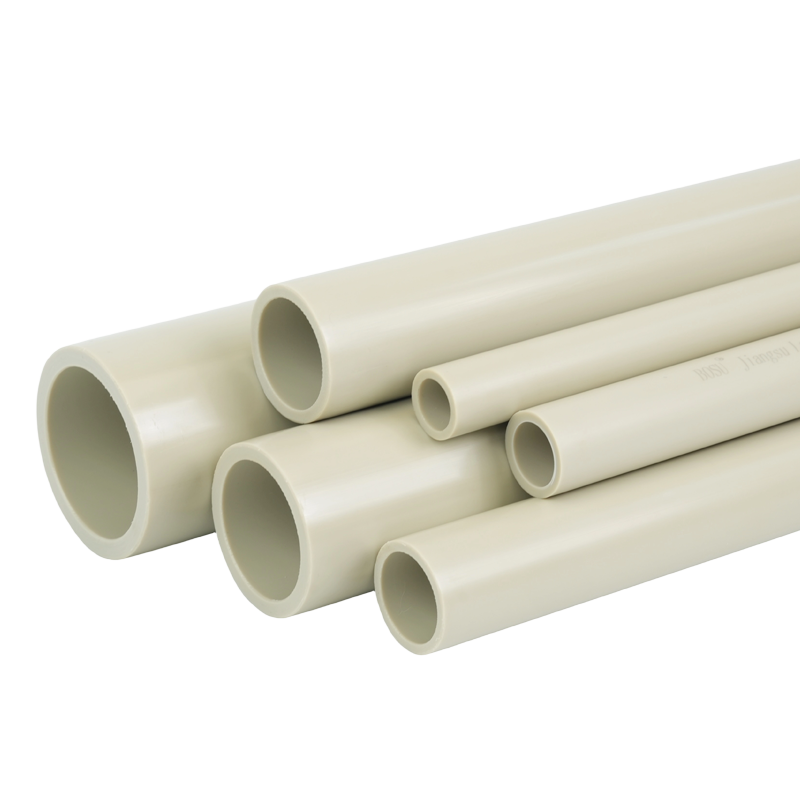
Specifikacije proizvoda: DN15 (D20), DN20 (D25), DN25 (D32), DN32 (D40), DN40...
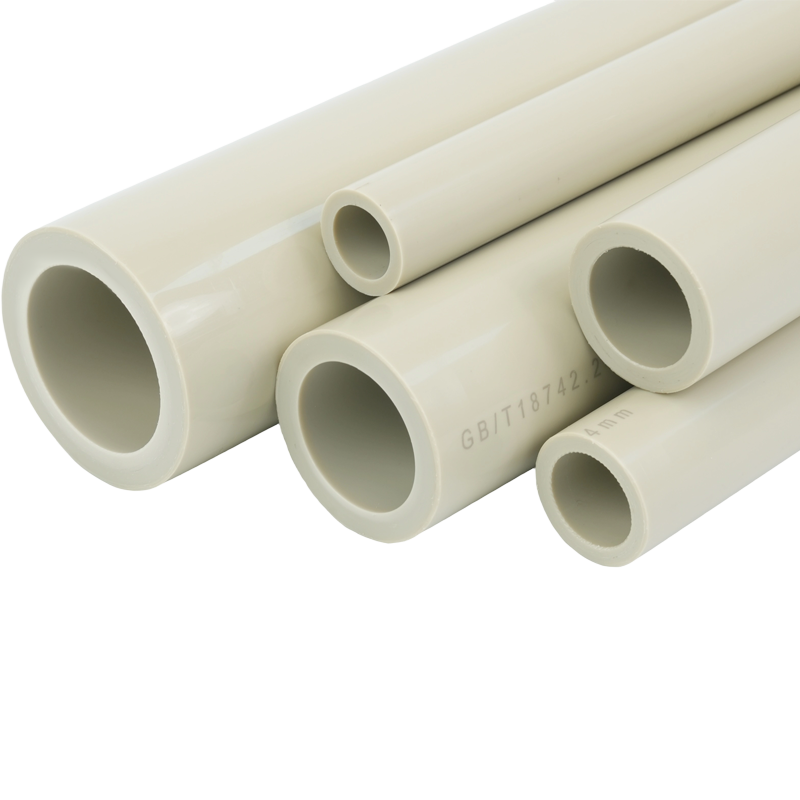
Specifikacije proizvoda: DN15 (D20), DN20 (D25), DN25 (D32), DN32 (D40), DN40...
Ekipa koja je zatvorila kemijsku tvornicu imala je još jedan posao prije ponovnog pokretanja: zamijeniti brtvu koja curi na ventilu dvanaest metara unutar potpuno zavarene PPH linije. Rezanje cijevi značilo je novi kalem, novi zavar, čekanje na hlađenje i drugi test tlaka, četiri dodatna sata po rasporedu bez ika...
Prikaži višeKupnja plastičnog kuglastog ventila pitanjem "Prodajete li ih?" tako se projekti na kraju plaćaju dvostruko. Ono što zapravo odlučuje o tome hoće li plastični kuglasti ventil tiho raditi pet godina ili otkaže u prvoj je materijal tijela, elastomer brtve i način na koji se tijelo ventila spaja s cijevi — a ne jedi...
Prikaži višeDva montera, jedan namotaj od 2 u PVDF cijevi i sanduk s prirubničkim adapterima DN 50. Sve stiže prema rasporedu i ništa ne odgovara: cijev je vanjskog promjera 60,3 mm, dok je adapter izrađen za vanjski promjer od 50 mm. Nijedna oznaka nije pogrešna. Dijelovi jednostavno pripadaju dvama različitim sustavima vel...
Prikaži više
Specifikacije proizvoda: DN15 (D20), DN20 (D25), DN25 (D32), DN32 (D40), DN40...
Prikaži više
Specifikacije proizvoda: DN15 (D20), DN20 (D25), DN25 (D32), DN32 (D40), DN40...
Prikaži više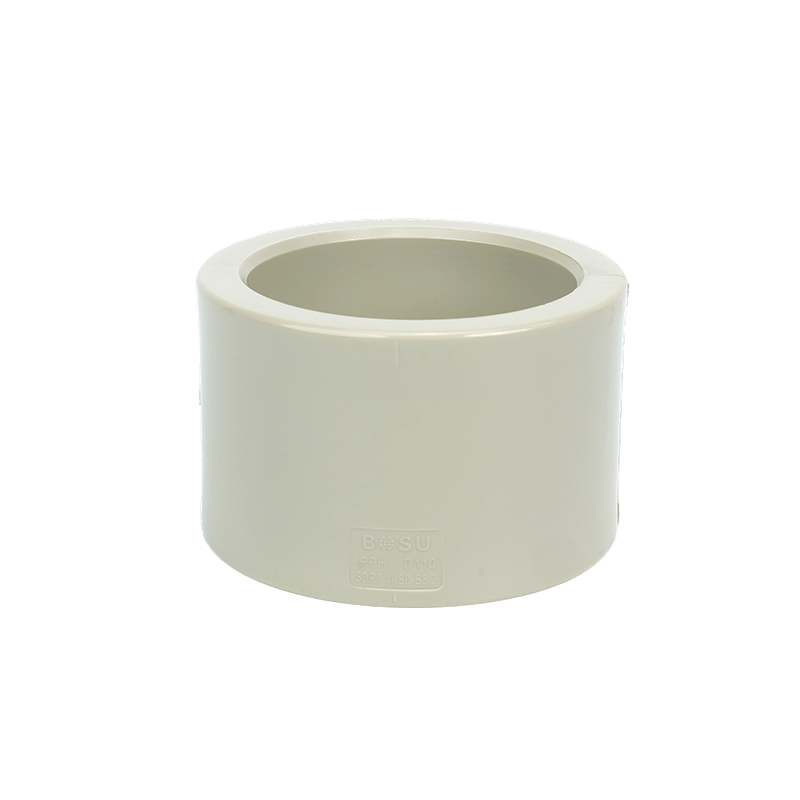
Koristi se u sustavima cjevovoda koji zahtijevaju ravne spojeve na krajevima....
Prikaži više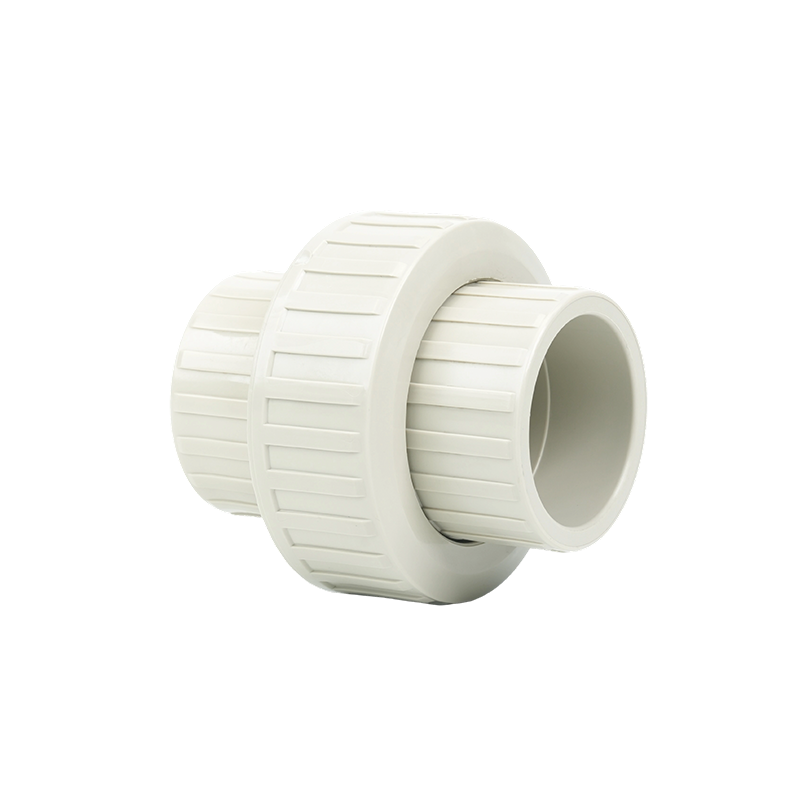
Ova armatura je dizajnirana za spajanje cijevi u sustav cjevovoda. Prikladan ...
Prikaži više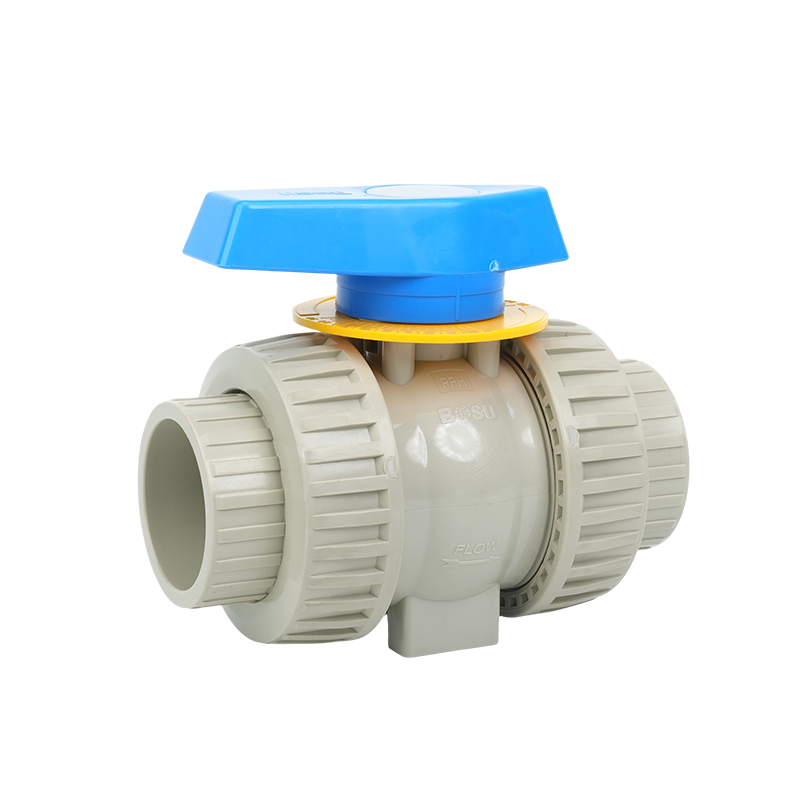
1. Značajke proizvoda: Personalizirana funkcija indikacije ručke, instalirajt...
Prikaži višeWhat are the main application scenarios for β-PPH Pipes?
1. Photovoltaic and Semiconductor Ultrapure Water Systems – Suitable for ultrapure water transportation in photovoltaic module cleaning and semiconductor production. It can operate long-term at resistivity above 18 MΩ·cm, preventing metal ion contamination.
2. Chemical and Acid/Alkali Media Transportation – Exhibits excellent corrosion resistance in the transportation of highly corrosive media such as steel pickling, waste acid recovery, concentrated sulfuric acid, and sodium hydroxide, significantly reducing the risk of pitting corrosion.
3. Pharmaceutical and Food Pure Water Piping – Meets food-grade and pharmaceutical-grade hygiene standards. The smooth pipe walls are easy to clean, ensuring the safety and purity of the transported liquids.
4. Environmental Protection and Wastewater Treatment – Used for pipelines transporting wastewater, waste acid, and ecological restoration projects, combining chemical stability with low energy consumption.
5. High-Temperature Hot Water and Geothermal Systems – Operates within a wide temperature range of -20℃ to +110℃, meeting the transportation needs of high-temperature fluids such as hot water and geothermal energy.
How are the recyclability and environmental performance of β-PPH Pipes?
1. Recyclable Material – β-PPH belongs to the polypropylene series. Its production process is energy-efficient, and after use, it can be reprocessed through conventional plastic recycling systems, meeting green building material requirements.
2. Low Emissions During Production and Use – Utilizing the β-modification process, the pipes have low maintenance costs throughout their service life, reducing repair and replacement frequency and thus lowering the overall carbon footprint.
3. Non-toxic and Odorless, Meets Food/Pharmaceutical Safety Standards – The material meets food-grade standards, contains no harmful additives, and does not release harmful substances during use, making it suitable for industries with extremely high hygiene requirements.
4. Advantages in Ecological Restoration – In groundwater and soil pollution remediation projects, β-PPH pipes, due to their chemical inertness and durability, can safely transport remediation media for extended periods, improving remediation efficiency and preventing secondary pollution.
Proizvodi
Informacije o tvrtki
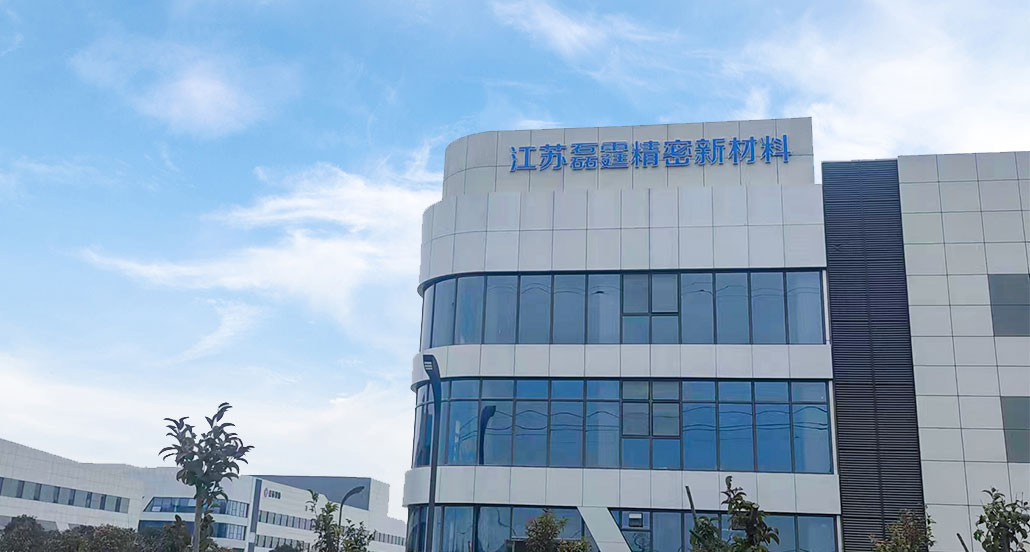
Adresa: No. 55 Haichuan Road, High-Tech Zone, Dongtai City, Jiangsu Province, Kina
Mobitel: +86 137 7009 5258
Tel: +86-515-85479999
E-pošta: [email protected]
Željeli bismo čuti vaše mišljenje!